

Start with a clear merchandise description
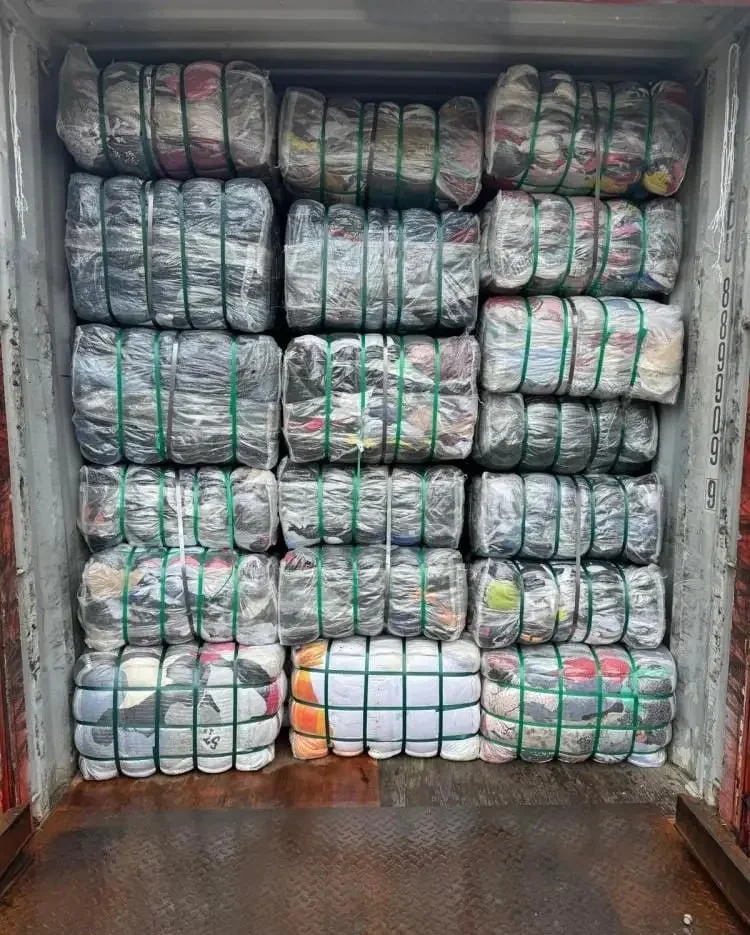
Textiles should not be treated as an anonymous mixed lot. Product type, condition, season, customer segment, packing format and available quantity should be established as far as possible before purchase.
Separate new, clearance and mixed stock
Regular new goods, overstock, end-of-line items, returns and sorted used textiles are different merchandise classes. Each requires different expectations for condition, documentation, sorting and price.
Season, sizing and target market
Summer/winter share, women/men/children mix, sizing and garment category have a direct effect on suitability for Kurdistan. Larger purchases should therefore be judged by the commercial usefulness of the mix, not only by kilograms or carton count.
Bales, cartons and warehouse logistics
Textiles may be offered in cartons, bags or compressed bales. Packing density strongly affects freight volume, handling and storage. Quantities, pack units, weights and dimensions are included in transport planning when available.
Quality control with realistic limits
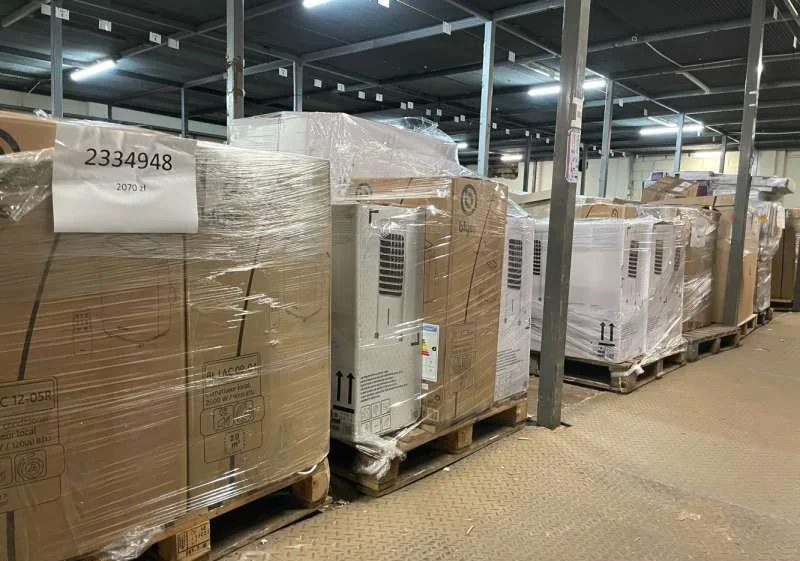
For clearance and mixed lots, checking every piece may not be economically realistic. The practical solution is to define in advance what visual inspection, sampling, documentation or supplier confirmation is available and what residual uncertainty remains.
Structured sourcing for resellers
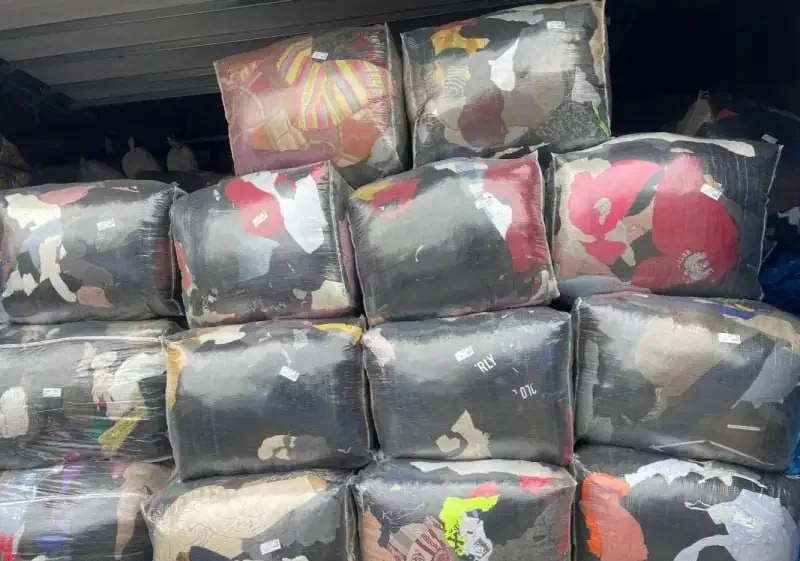
Retailers and wholesalers can define recurring product groups, minimum quantities and quality levels as a sourcing profile. That turns isolated purchases into a more repeatable Germany-to-Kurdistan procurement process.